The Past, Present, and Future of Excavating: A Comprehensive Outlook Jun 10, 2026
The history of excavating dates back to ancient times when simple tools and manual labor were used to clear land and lay foundations for new structures. These early excavators laid the groundwork for more advanced methods that would emerge over the centuries. The advent of the Industrial Revolution brought about significant advancements in machinery, with steam-powered excavators replacing hand tools in the 19th century. This shift not only increased efficiency but also allowed for larger-scale projects that would have been impossible with manual labor alone.
Fast forward to the present day, excavation is a far cry from its rudimentary beginnings. Today, companies like Mark Howard & Sons leverage cutting-edge technology to deliver precise and efficient services. Modern excavation incorporates GPS technology, robotic machinery, and advanced software to ensure that every dig is accurate to the millimeter. This technological integration has not only improved the precision of excavation but also significantly reduced the risks associated with the job, enhancing safety and optimizing resource use.
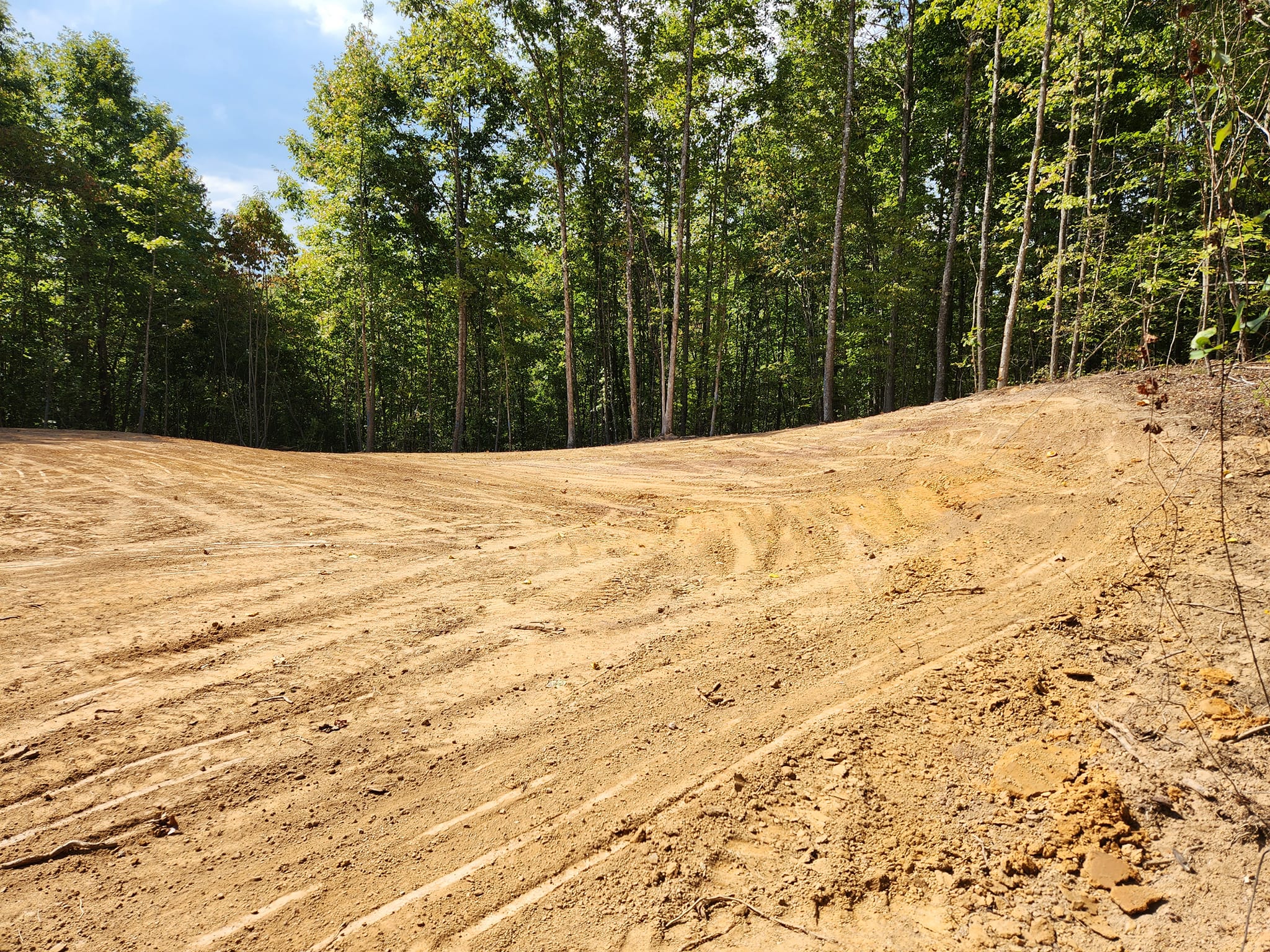
In addition to technological advancements, the increasing emphasis on environmental sustainability has also influenced changes within the excavating industry. Sustainable practices are now integral to modern excavation projects. Techniques such as eco-friendly land grading, soil conservation, and erosion control are employed to minimize environmental impact. Mark Howard & Sons remains at the forefront of these practices, leading the way with environmentally responsible projects that prioritize sustainable outcomes.
Looking to the future, the excavating industry is poised to continue its trajectory of innovation. Emerging trends such as autonomous machinery promise to revolutionize how excavation is conducted. Autonomous, or driverless, machinery can operate with minimal human intervention, potentially reducing labor costs and further increasing precision. Such technology is expected to be particularly beneficial in hazardous environments, where human safety is a concern.
Furthermore, the integration of artificial intelligence and machine learning analytics is likely to enhance predictive capabilities, enabling more efficient planning and execution of excavation projects. This data-driven approach will facilitate smarter decision-making, allowing companies like Mark Howard & Sons to anticipate challenges and optimize processes even before ground is broken.
The potential for sustainable urban development is another exciting prospect. As global populations continue to rise, the demand for innovative excavation solutions that support eco-friendly infrastructure is likely to grow. Incorporating green technology and practices into excavation projects will become increasingly important, ensuring that we build not just for today, but for future generations.
In conclusion, the excavating industry has come a long way from its humble beginnings. While the basic principles remain unchanged, the methods have evolved dramatically to accommodate modern needs and environmental considerations. With companies like Mark Howard & Sons leading the charge, the future of excavation looks promising, characterized by technological innovation and a commitment to sustainability. Whether it's laying the groundwork for new infrastructure or revamping existing landscapes, the excavating industry will continue to play a crucial role in shaping our world.
/filters:no_upscale()/filters:format(webp)/media/0c69cd27-5ae2-48fe-9a6f-c49f019205ff.jpeg)